Calligraphy Gallery
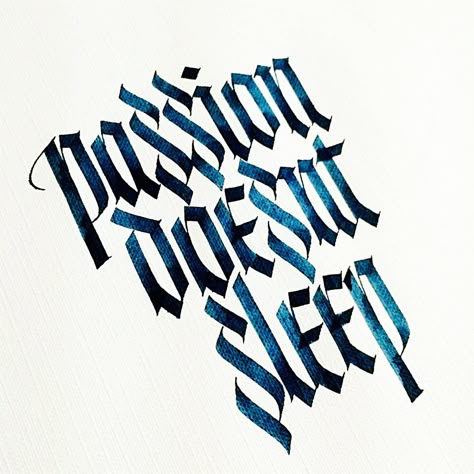
Discover styles, techniques, and inspiration from artists around the world.
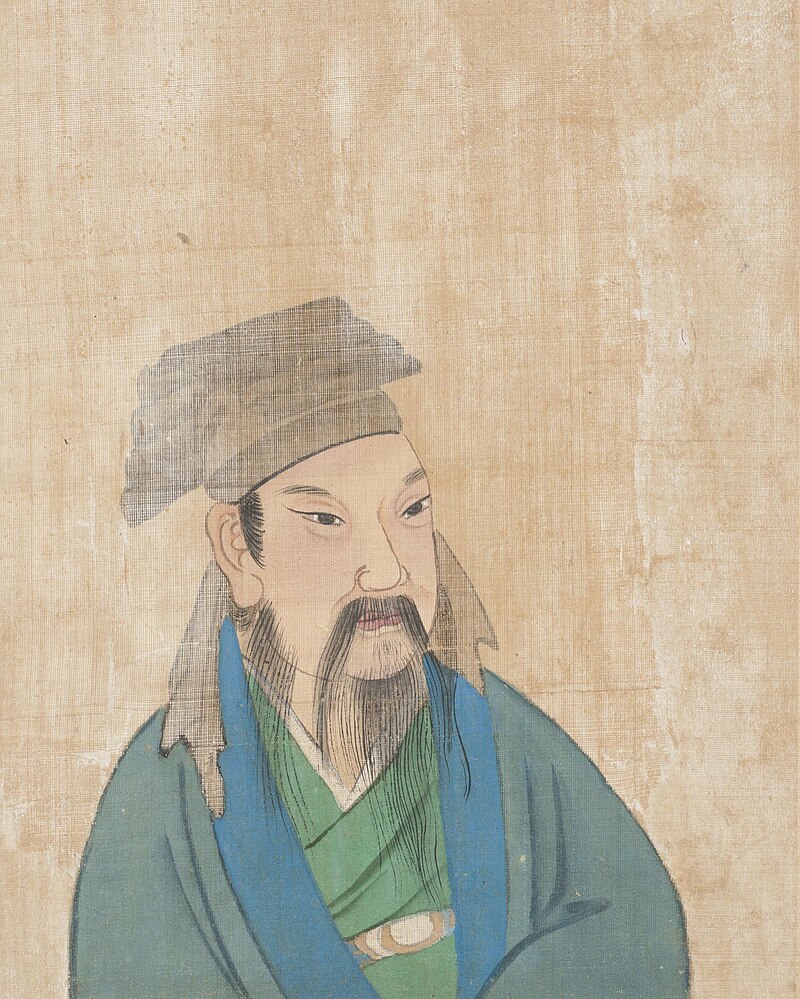
Known as the Sage of Calligraphy, he's one of the most celebrated figures in Chinese calligraphy history.
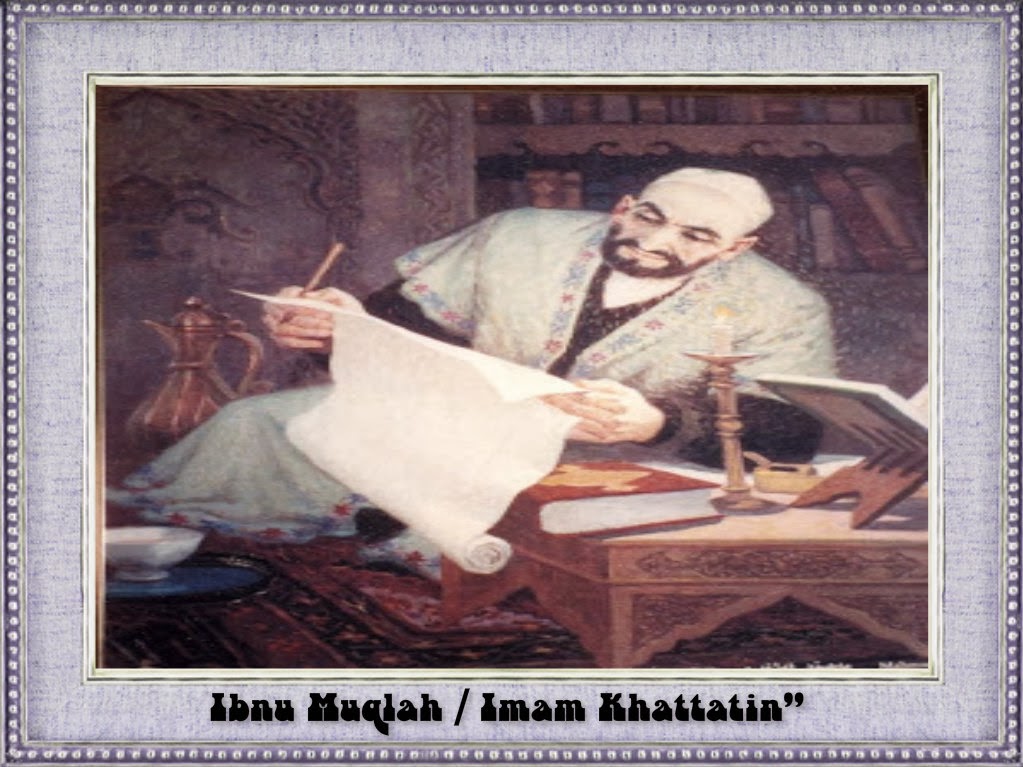
A key figure in the development of Arabic calligraphy, particularly the Naskh and Thuluth scripts.
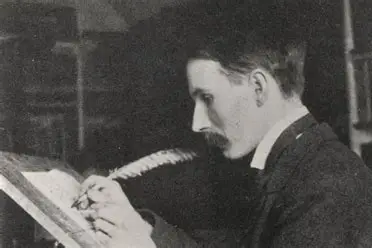
Often considered the father of modern Western calligraphy; designed the Johnston typeface for the London Underground.
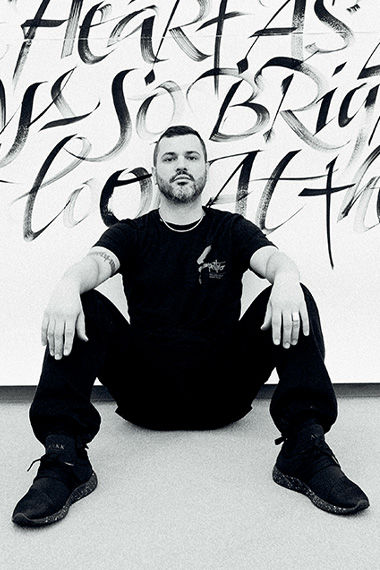
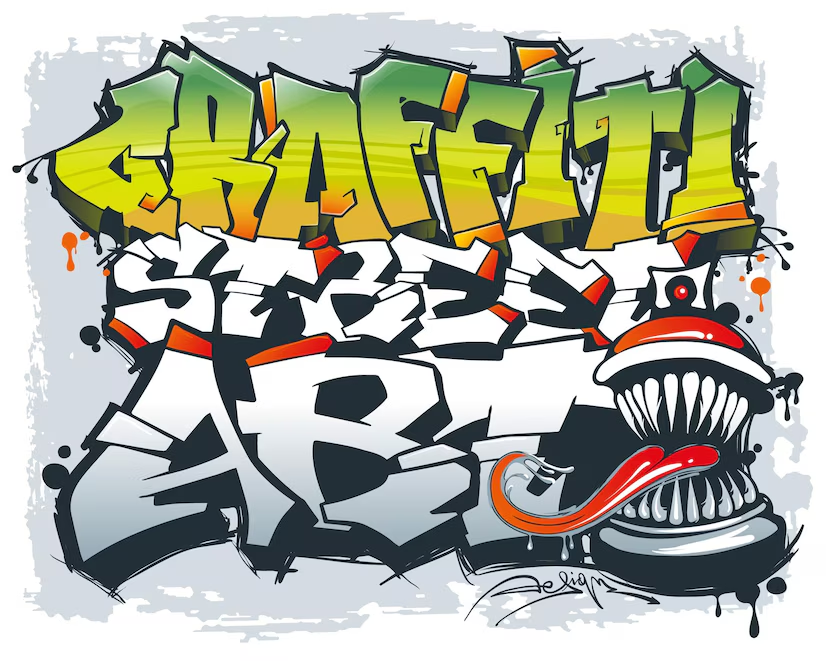
A modern calligrapher combining graffiti, typography, and classical calligraphy in expressive compositions.
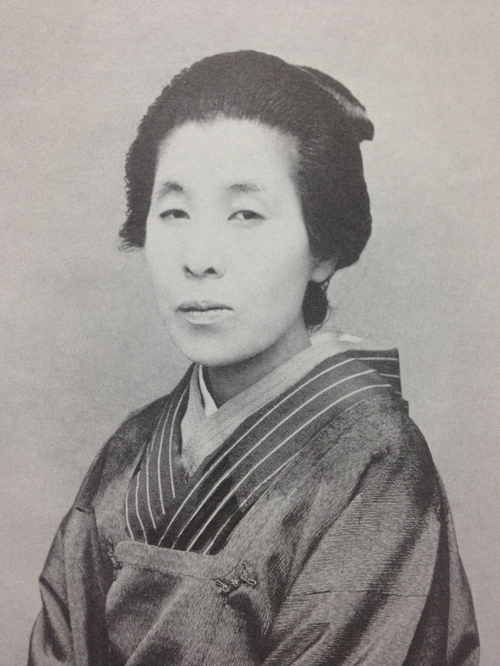
Blended traditional Japanese calligraphy (Shodo) with painting, making expressive and spiritual artworks.
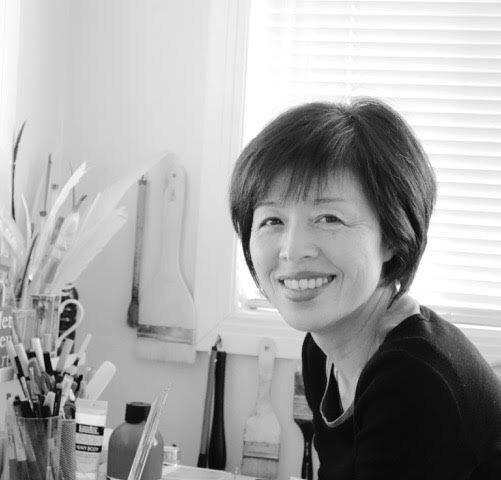
A contemporary calligrapher blending gestural abstraction and Western calligraphy, with a focus on texture and form.
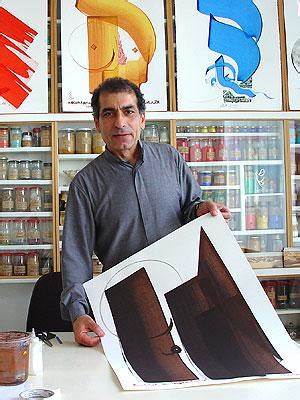
Fuses traditional Arabic script with modern artistic expression, often featuring philosophical or poetic quotes.
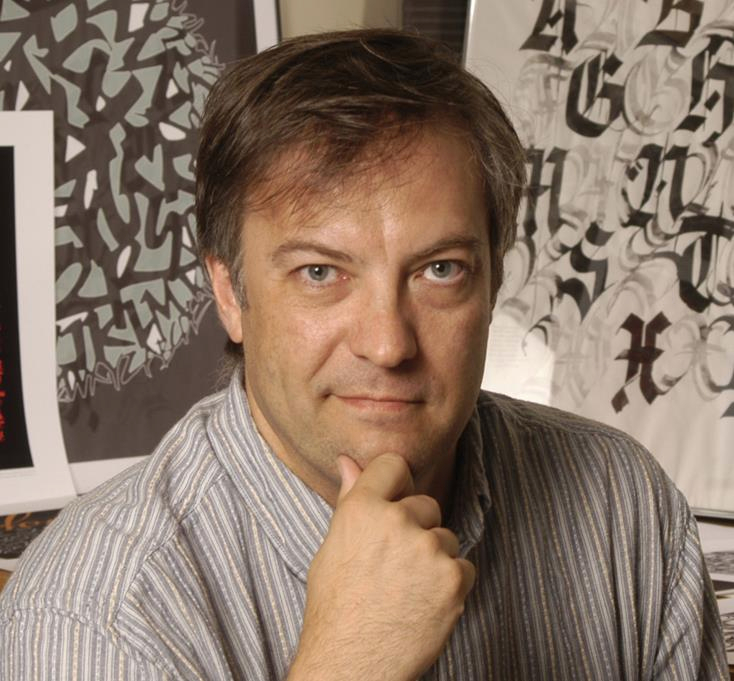
A renowned Western calligrapher known for classical and contemporary scripts, design, and teaching.
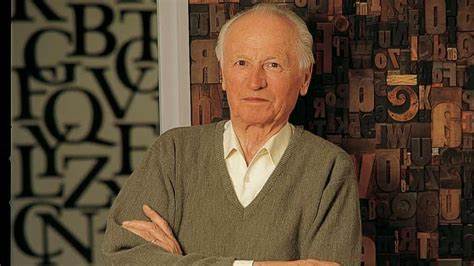
A master typographer and calligrapher who designed iconic fonts like Palatino and Zapfino. Bridged traditional calligraphy with digital typography.
Sharp, dramatic lines with medieval aesthetic from 12th-century Europe.
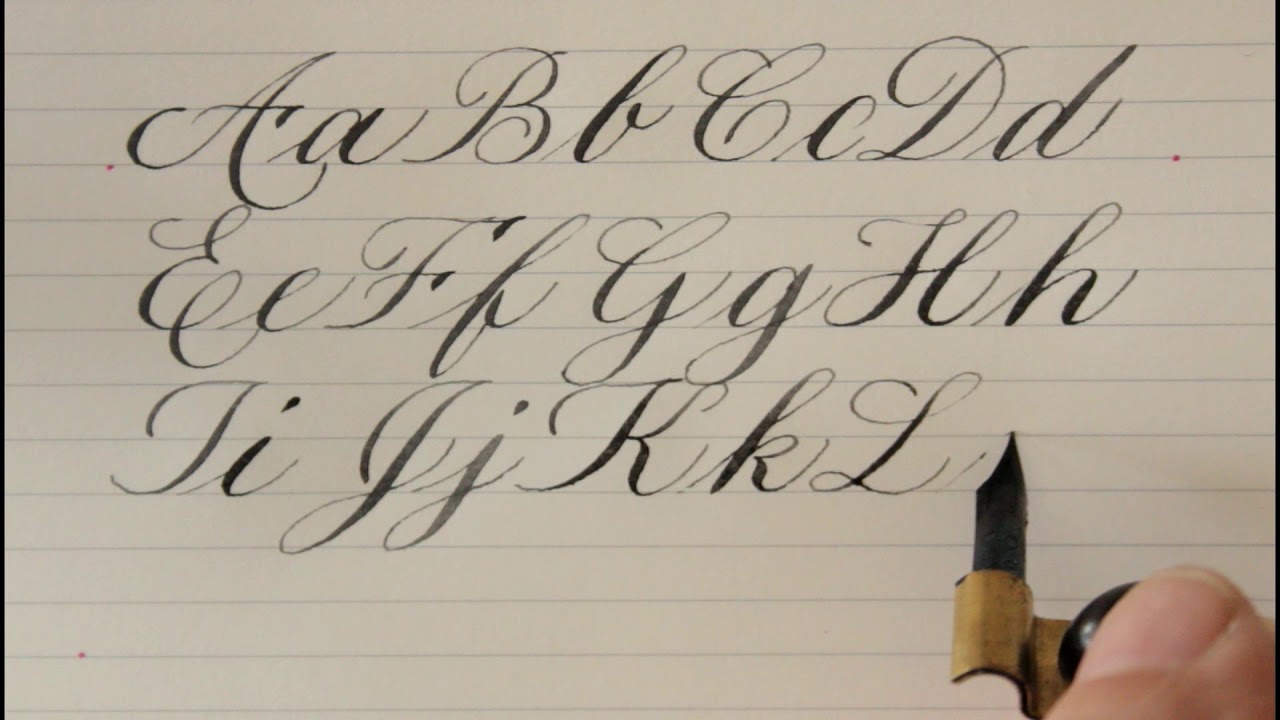
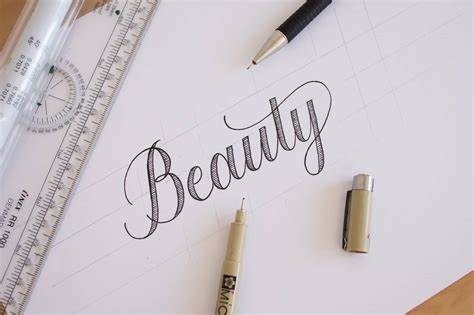
Elegant, flowing curves using a pointed nib; 18th-century origin.
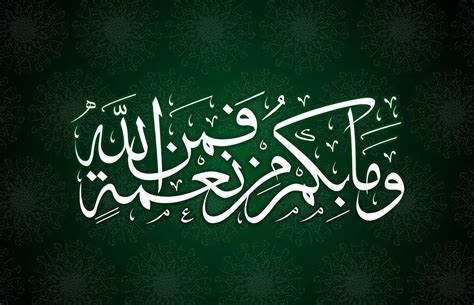
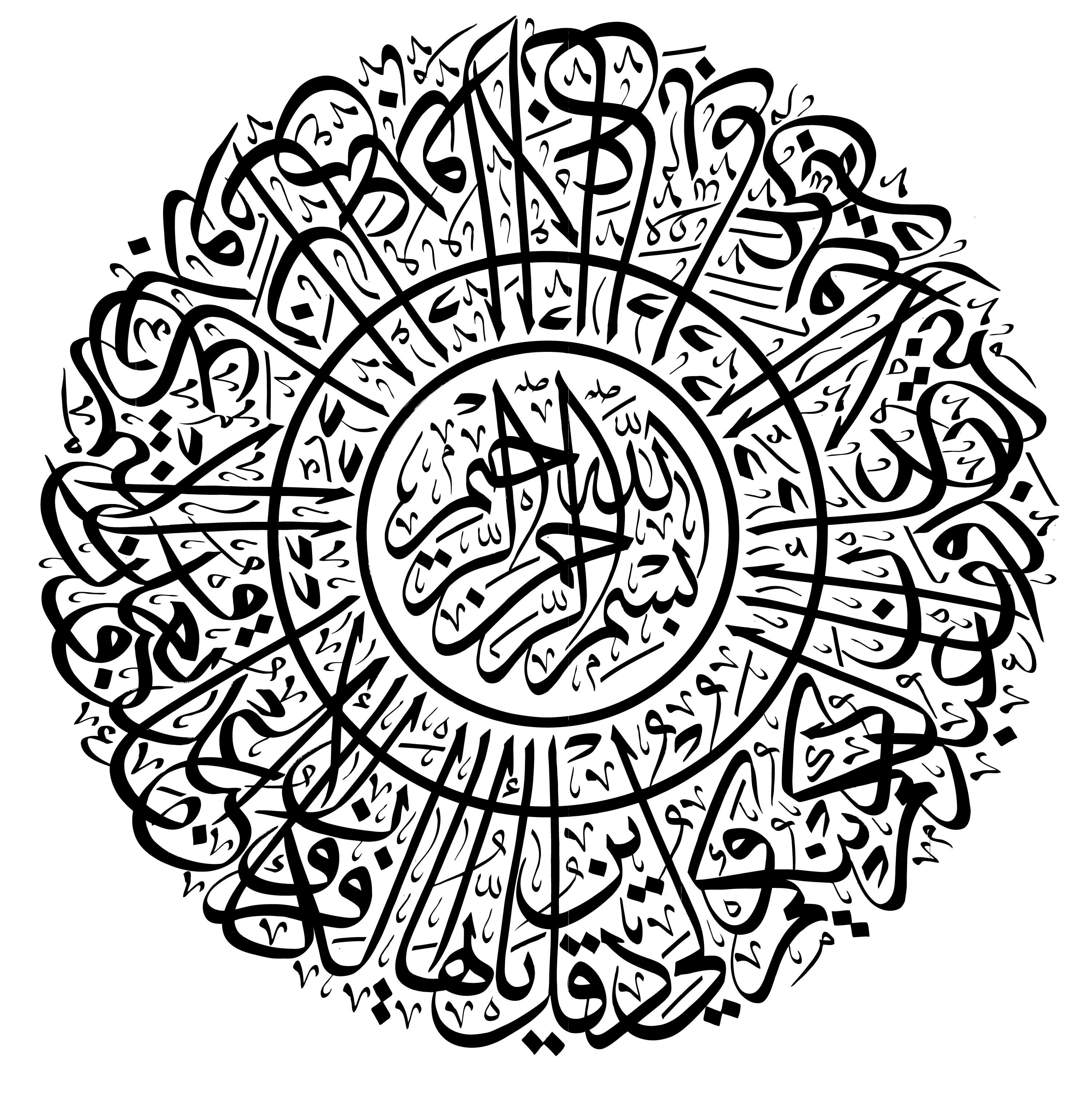
Ornamental and spiritual, central to Islamic art.
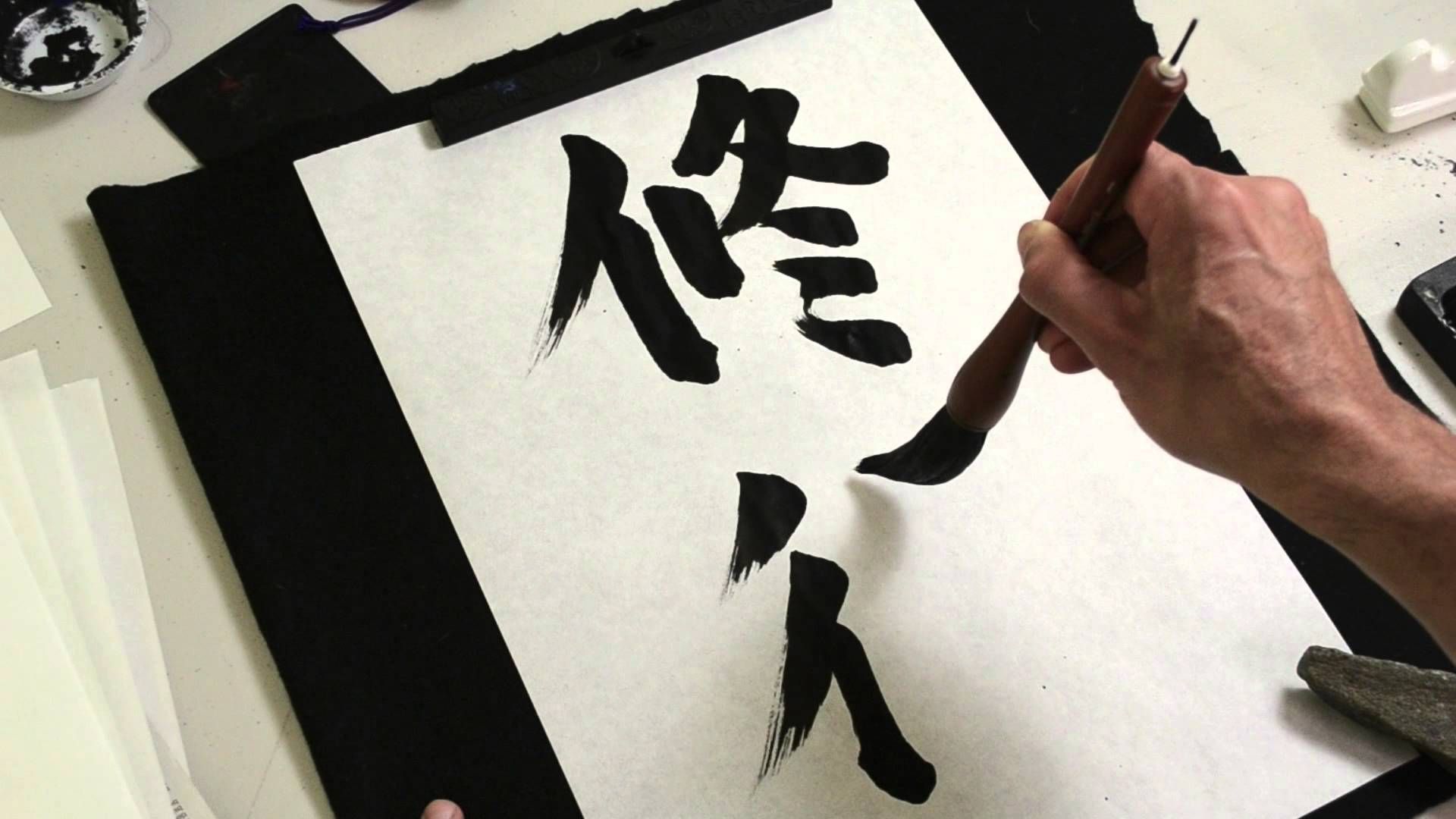
One of the oldest forms; emphasizes brush control and rhythm.
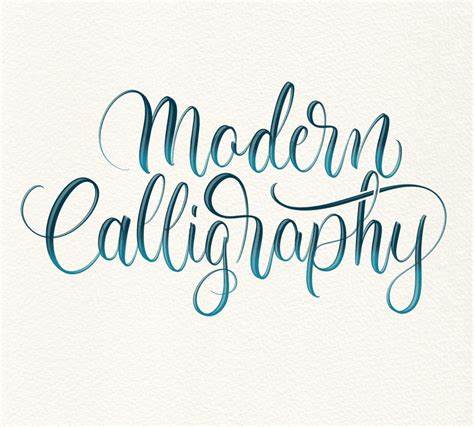
Blends cursive handwriting with artistic flair and freedom.
Uses expressive strokes with a brush; popular in East Asia.
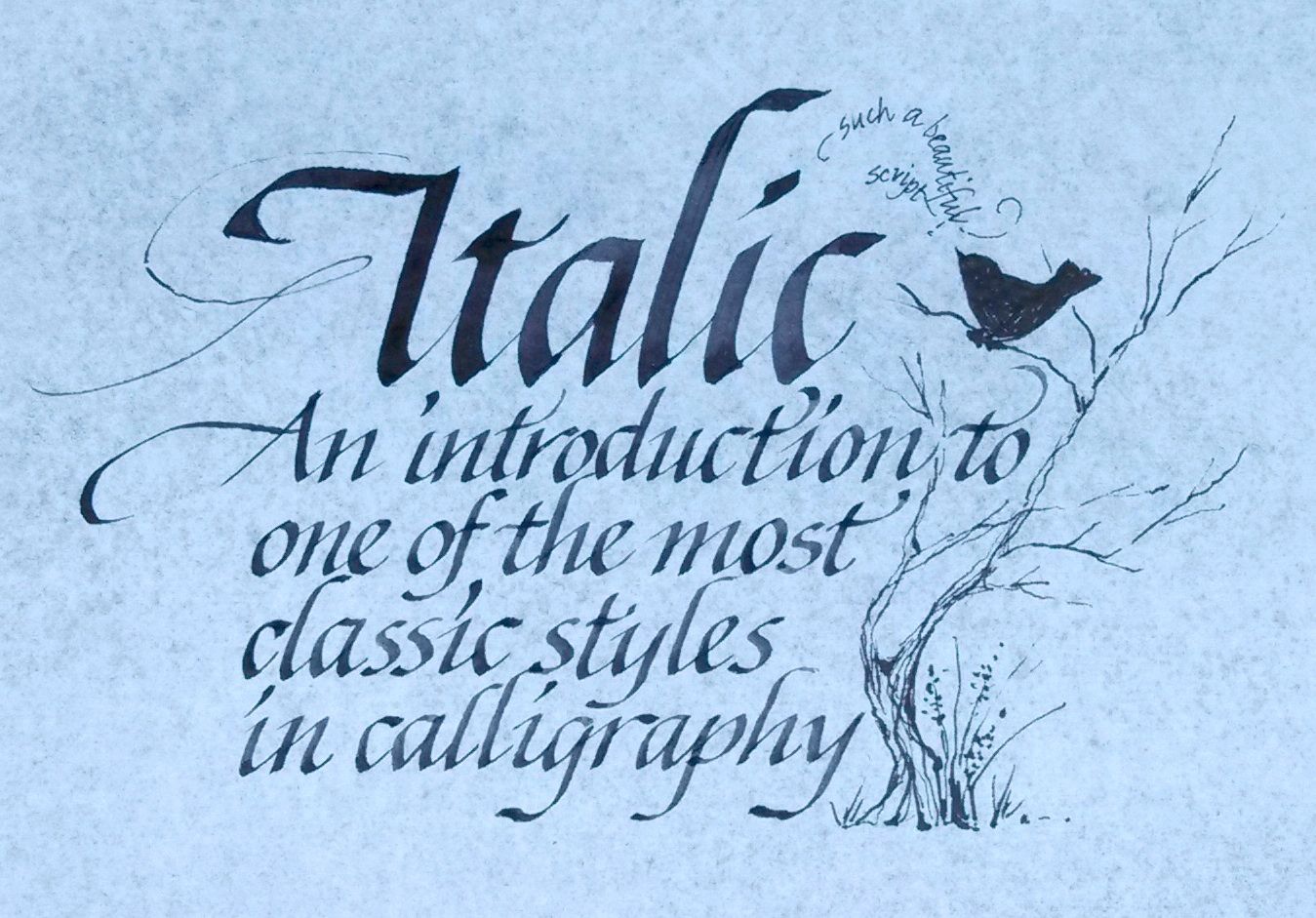
A Renaissance-era style known for its slightly slanted and smooth strokes.
This friendly technique uses regular pens to mimic the look of calligraphy.
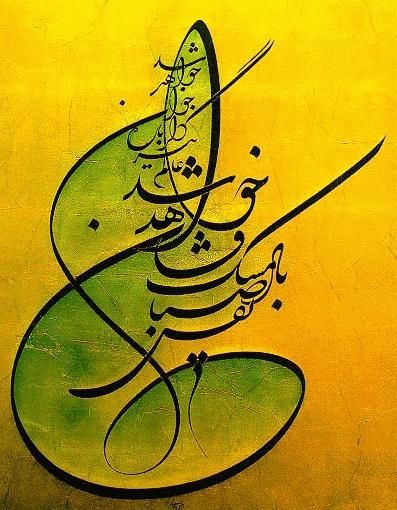
A fusion of Nastaliq and artistic flair, Urdu calligraphy captures poetic expression and visual grace.
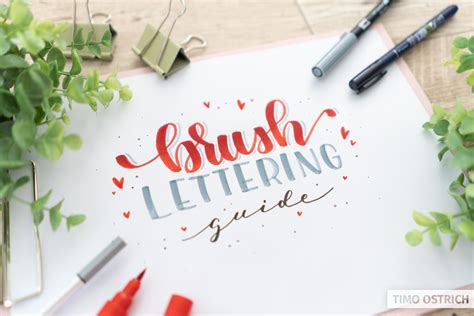
Perfect for beginners. Learn strokes, spacing, and basic scripts.
Download PDF