Calligraphy Styles
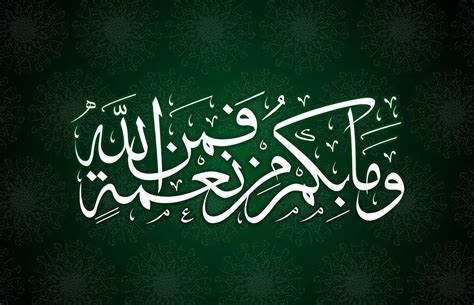
Arabic
Elegant scripts like Diwani, Thuluth, and Naskh make Arabic calligraphy a symbol of beauty and spirituality.
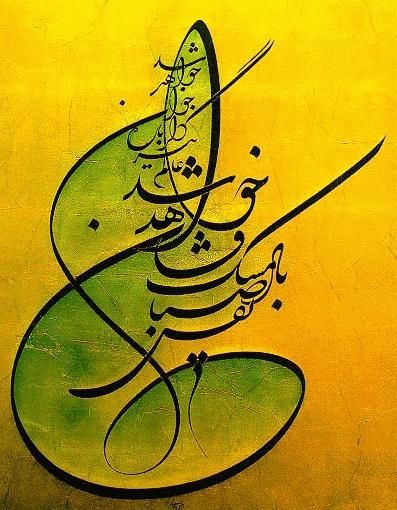
Urdu
A fusion of Nastaliq and artistic flair, Urdu calligraphy captures poetic expression and visual grace.
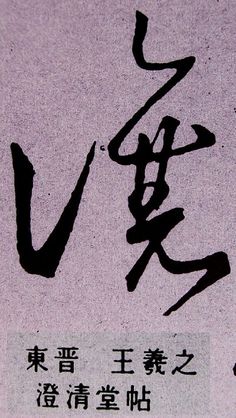
Chinese
Chinese calligraphy blends strokes, balance, and centuries of cultural tradition into expressive art.
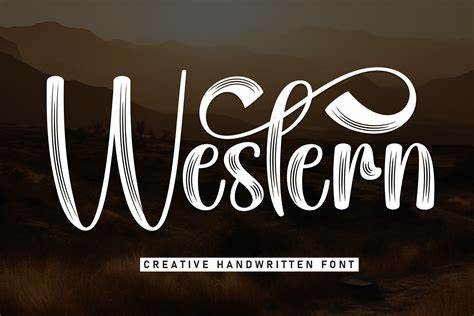
Western
From Gothic to Copperplate, Western styles bring boldness and elegance to Latin alphabet writing.
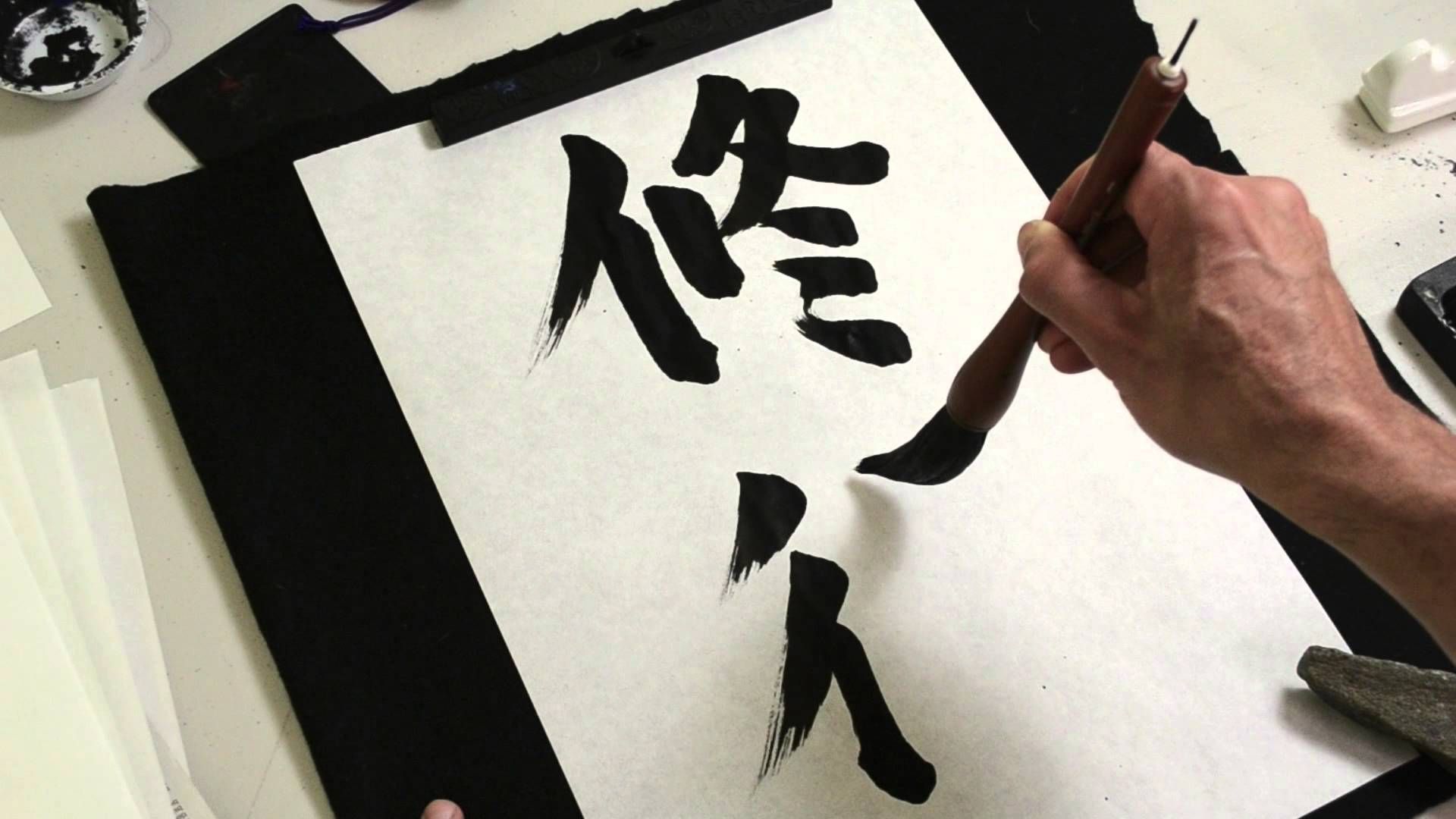
Japanese
Known as Shodō, Japanese calligraphy emphasizes simplicity, brush control, and spiritual focus.
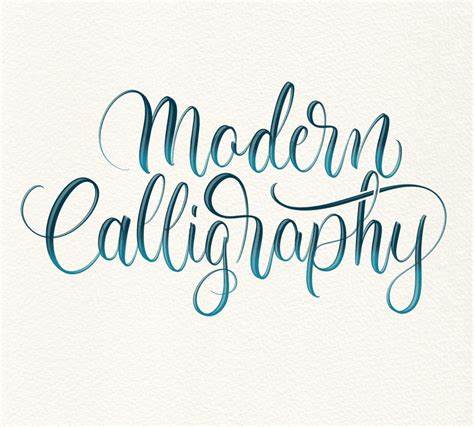
Modern
Modern calligraphy fuses traditional styles with contemporary flair for personal and digital expression.
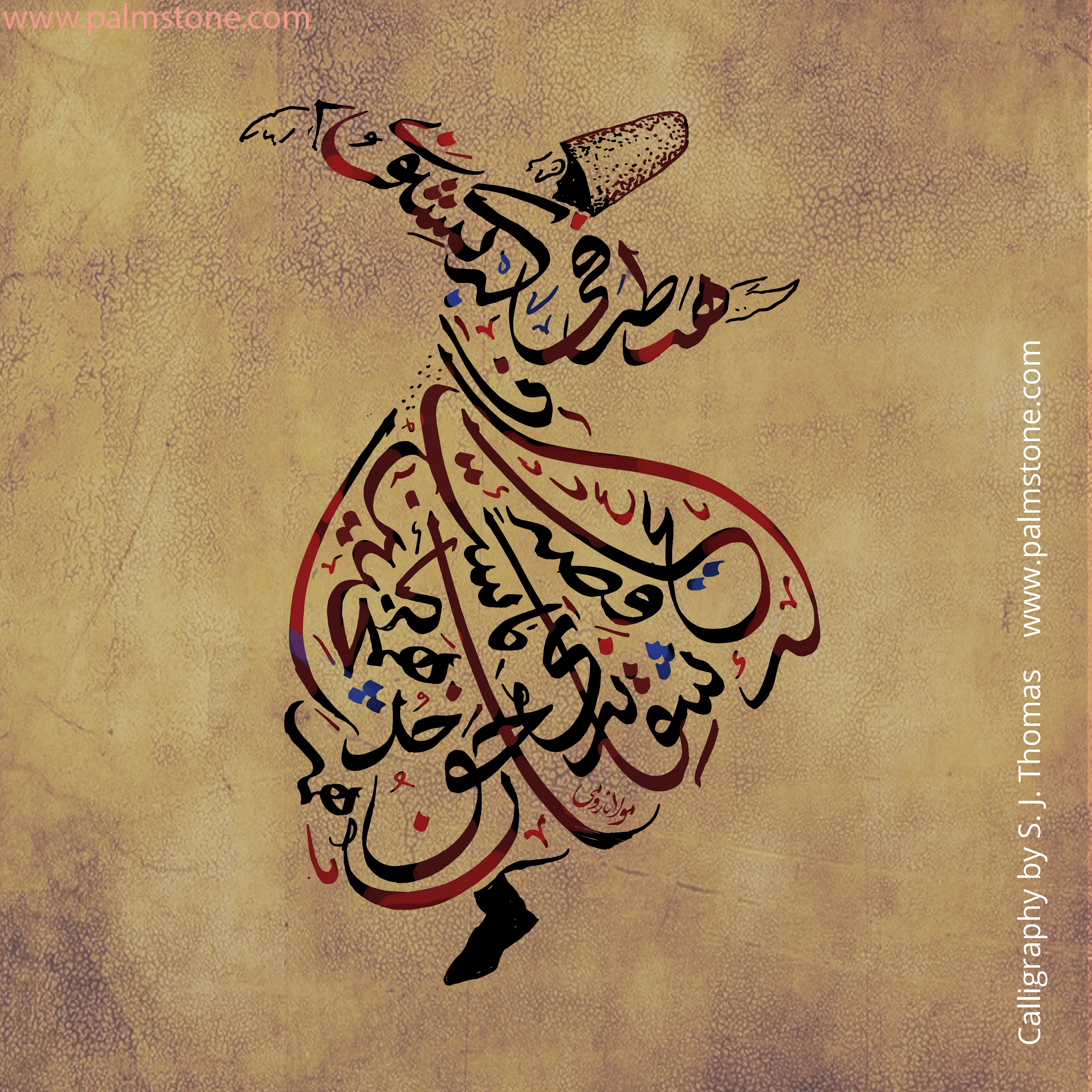
Persian
Flowing curves and poetic rhythm define the Persian script, a cornerstone of Iranian art heritage.
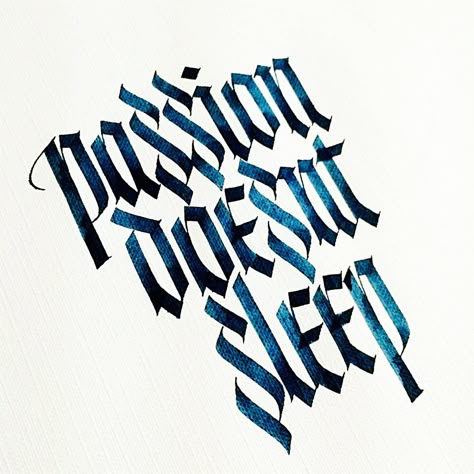
Gothic
Gothic script is recognized by its dramatic, angular strokes and historic medieval roots.
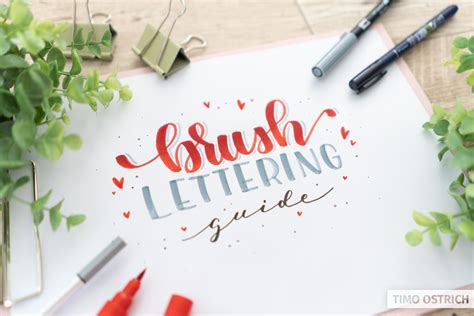
Brush Lettering
Brush calligraphy uses flexible pens or brushes to create thick and thin stroke contrast with fluid motion.
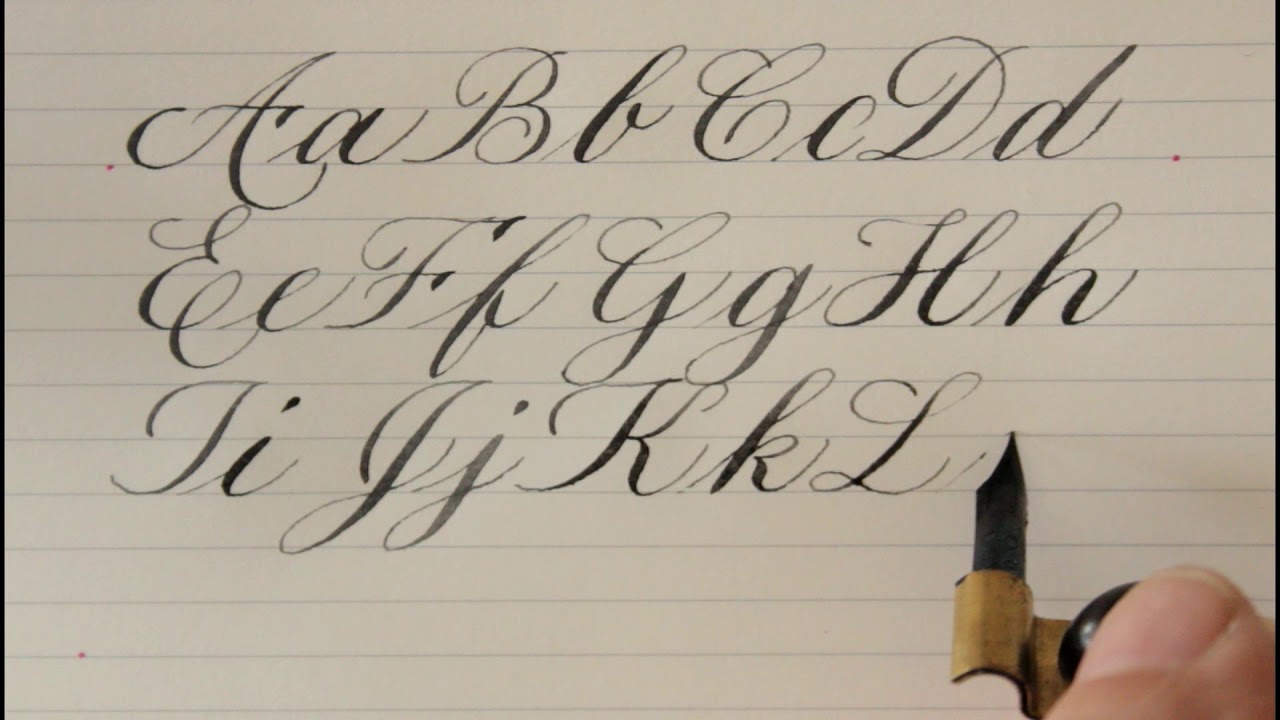
Copperplate
This elegant style features loops, flourishes, and thin upstrokes commonly used for formal invitations.
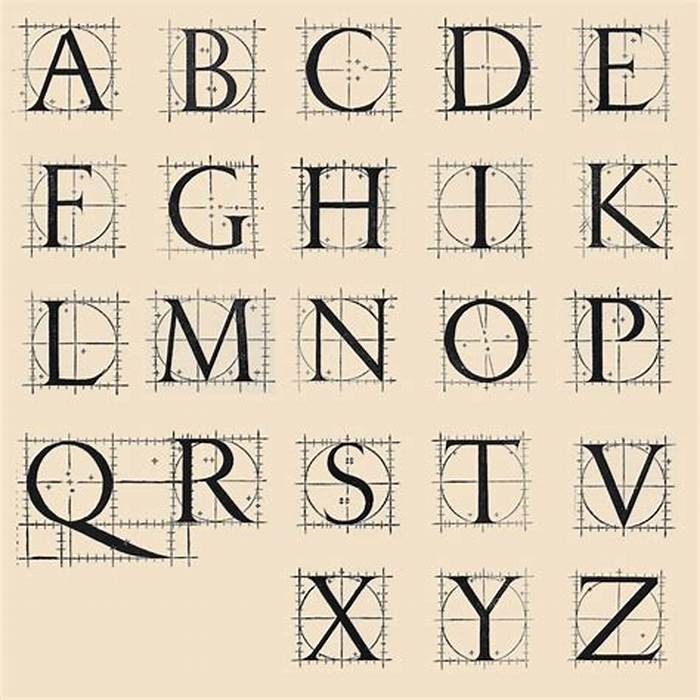
Roman
Characterized by proportion and geometry, Roman capitals are timeless and foundational to Western typography.
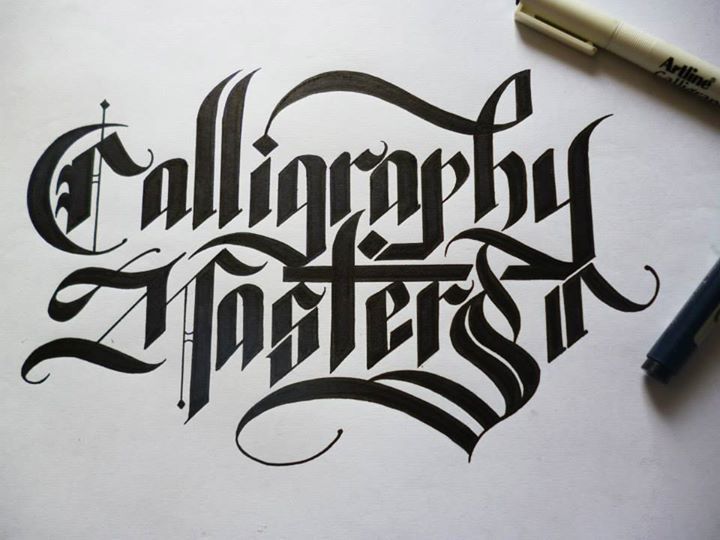
Artistic
This freeform style blends creativity and spontaneity, pushing calligraphy beyond traditional forms.
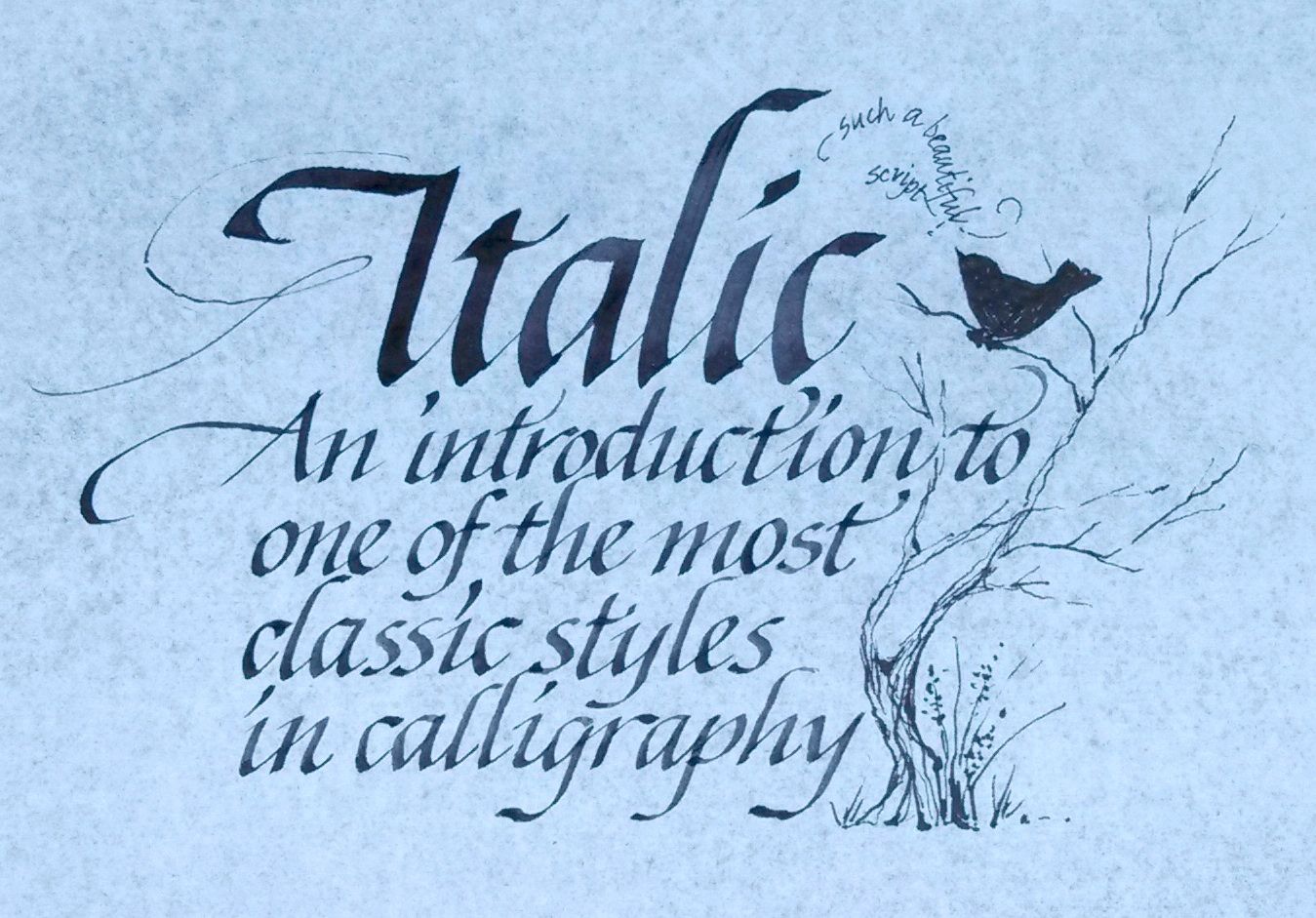
Italic
A Renaissance-era style known for its slightly slanted and smooth strokes, making it suitable for personal and professional use.
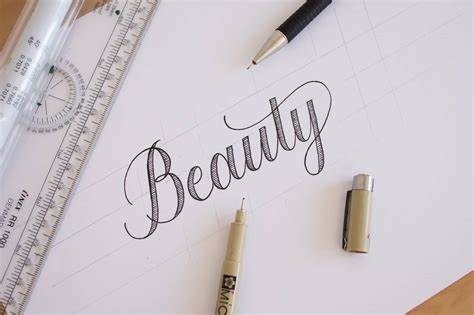
Faux
This beginner-friendly technique uses regular pens to mimic the look of calligraphy. It’s easy to learn without needing special tools.
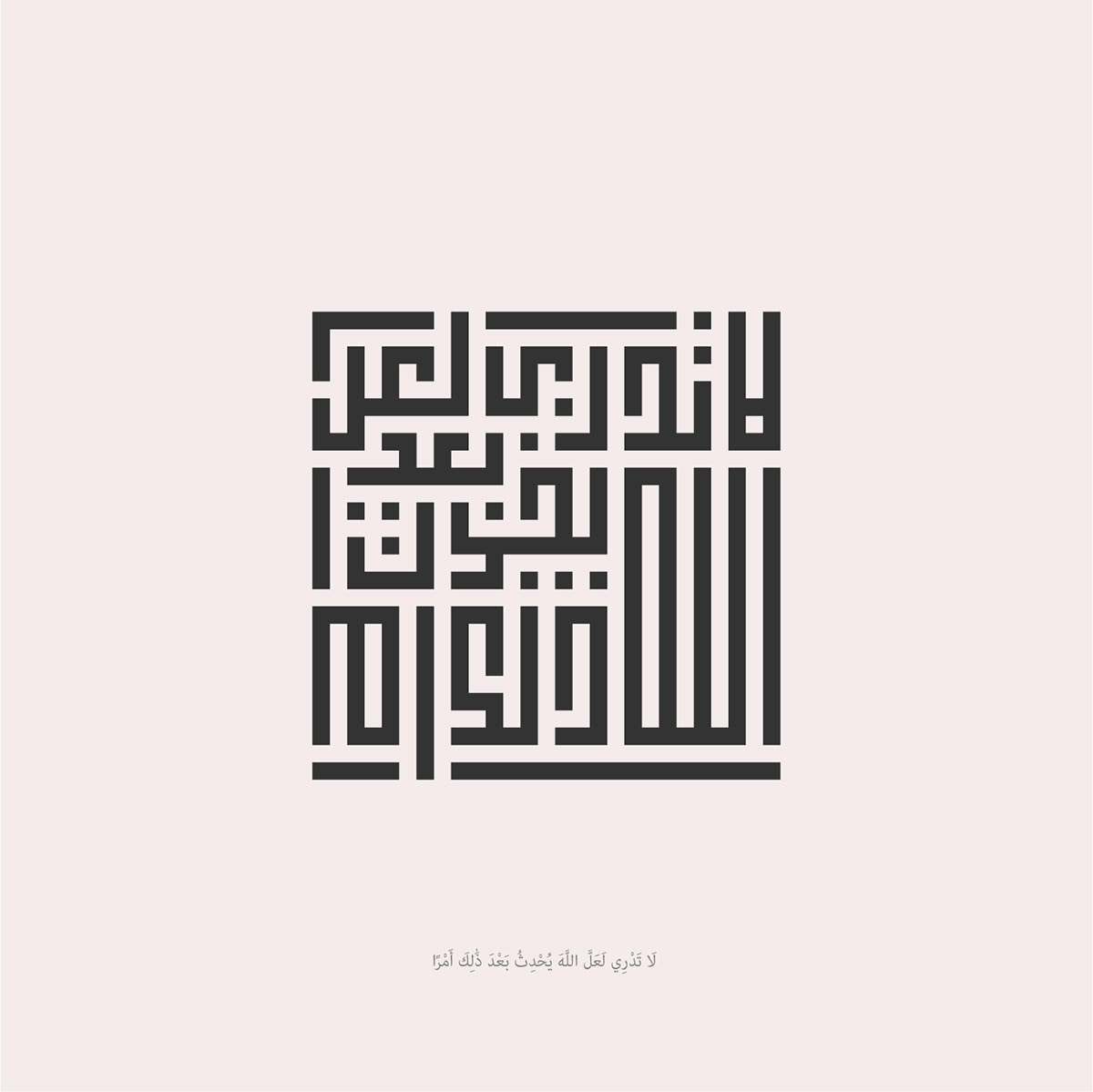
Kufic
Kufic is geometric and angular was widely used in early Qur’anic manuscripts and is often seen in architectural elements and Islamic art.
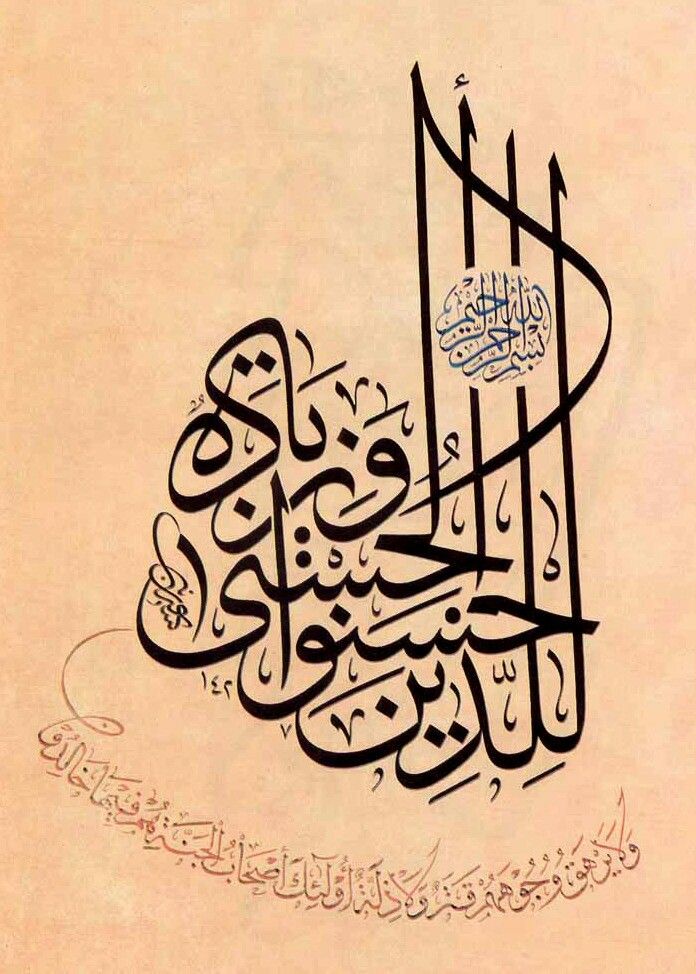
Naskh
Naskh became the standard for writing Arabic texts, including the Qur'an. It’s still commonly used in print and digital Arabic.
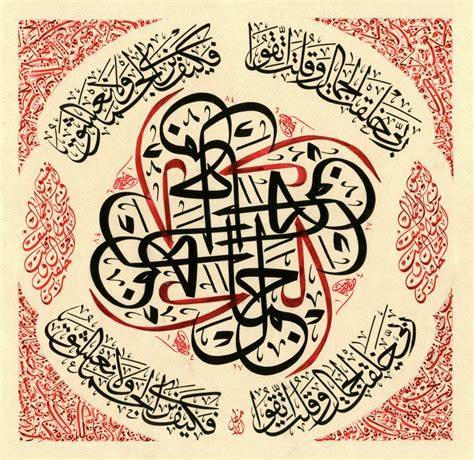
Thuluth
Thuluth is often used in architectural inscriptions, religious banners, and mosque decorations.
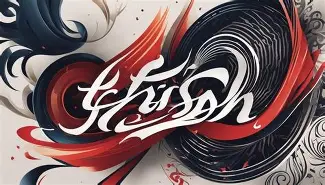
Graphic
A modern approach using digital tools like tablets and styluses to create hand-lettered designs. Popular for logos, social media, and typography art.
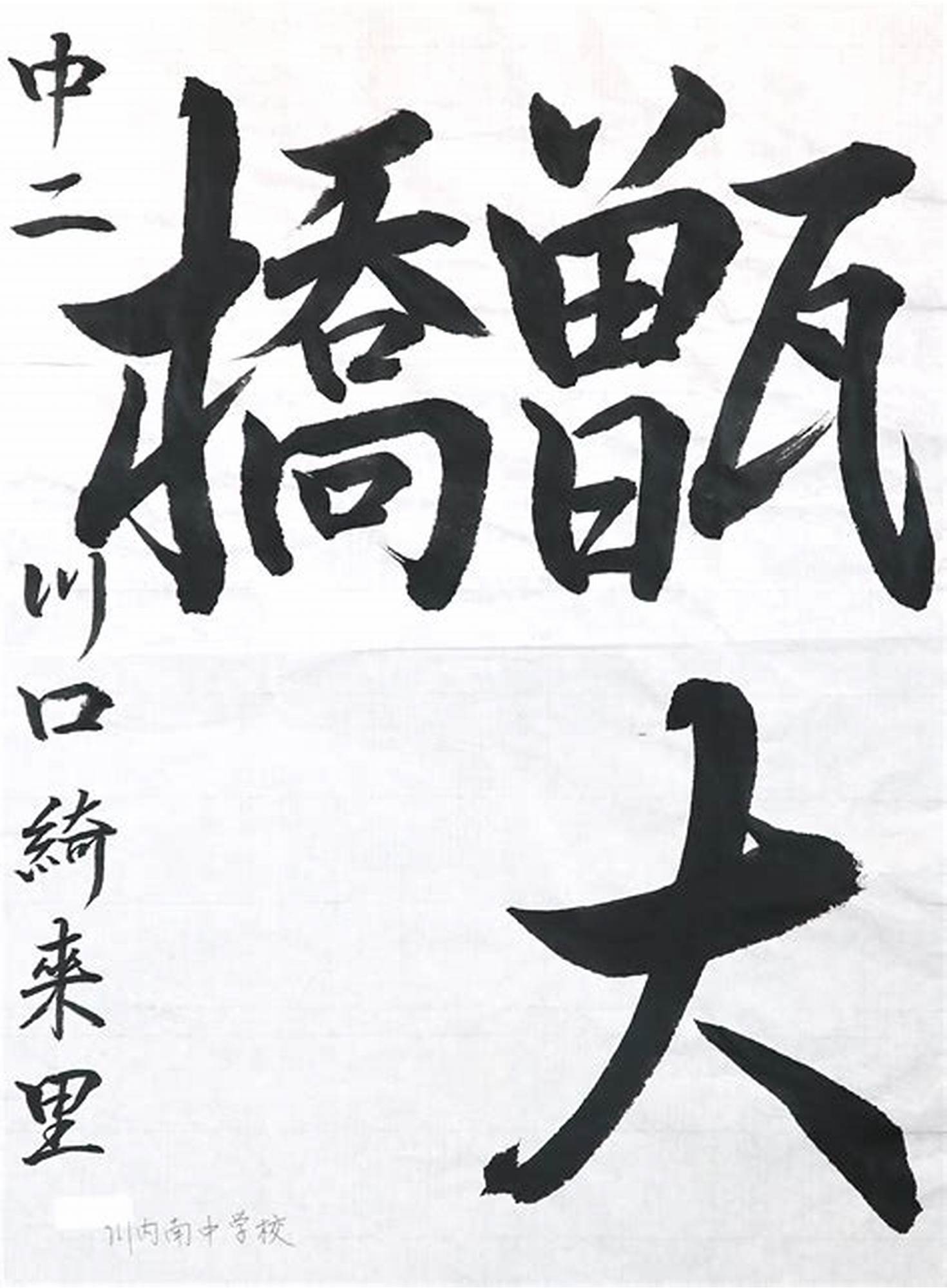
Kaishu
Developed in China during the Han Dynasty, Regular Script is the most standard and widely used form of Chinese calligraphy.
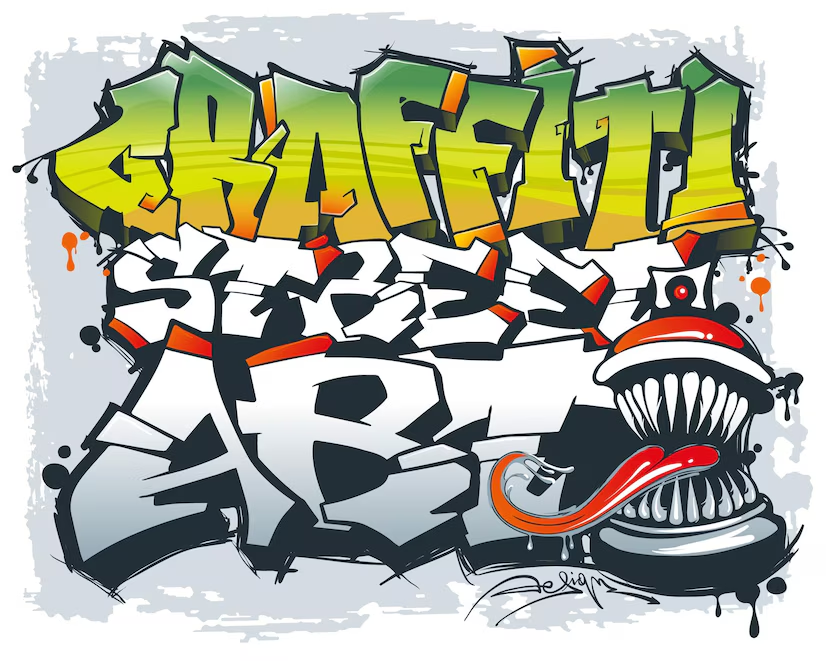
Graffiti
A contemporary, street-art-inspired form of calligraphy. Combines bold strokes, expressive shapes, and dynamic layouts.