About Us
Welcome to our world of Calligraphy – the art of beautiful handwriting. Rooted in history and culture, calligraphy blends visual art with written language, transforming simple letters into elegant expressions. From ancient scripts carved in stone to intricate modern designs created with pen and ink, calligraphy continues to inspire and connect people through its timeless charm.
At our core, we celebrate the rich tradition and evolving styles of calligraphy – from classic Western lettering to Arabic, Chinese, and modern brush calligraphy. Whether you're a curious beginner or a seasoned artist, our platform offers inspiration, guidance, and resources to explore the beauty of letters. Dive into tutorials, discover tools, and join a community passionate about turning handwriting into art.
📜 What is Calligraphy?
Calligraphy is the art of beautiful handwriting, where form and design are just as important as the content. It involves the deliberate, stylized writing of letters, often using special tools like pens, brushes, or quills. The term comes from the Greek words kallos (beauty) and graphein (to write), meaning "beautiful writing."
🌍 History & Origin
Calligraphy has a rich and ancient history that spans many cultures and continents. Here's a look at its development across civilizations:
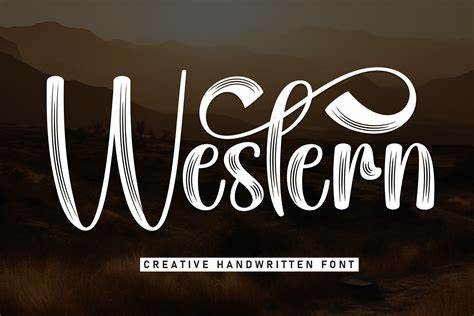
✨ 1. Western Calligraphy (Europe)
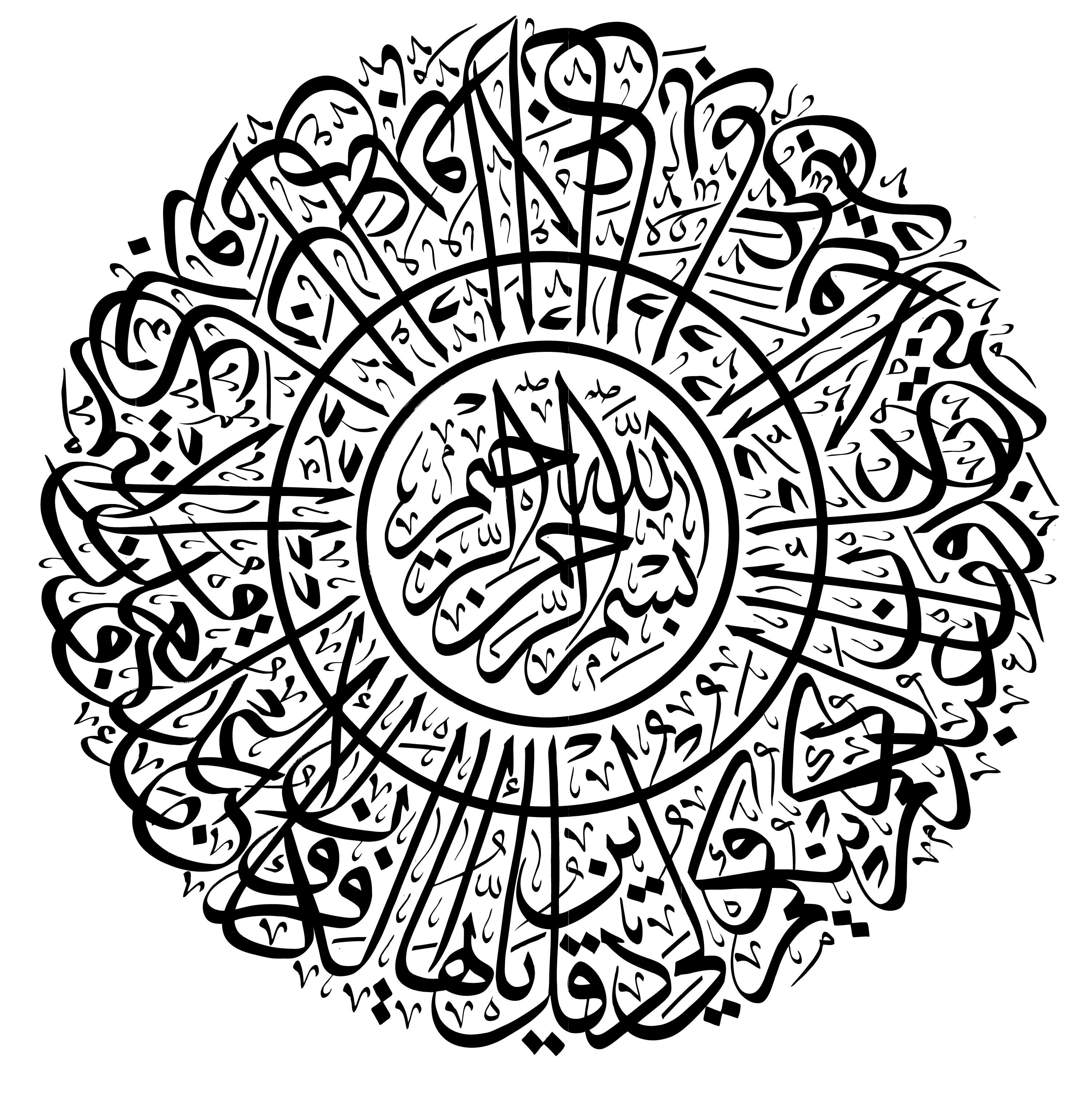
🕌 2. Islamic Calligraphy (Middle East & North Africa)
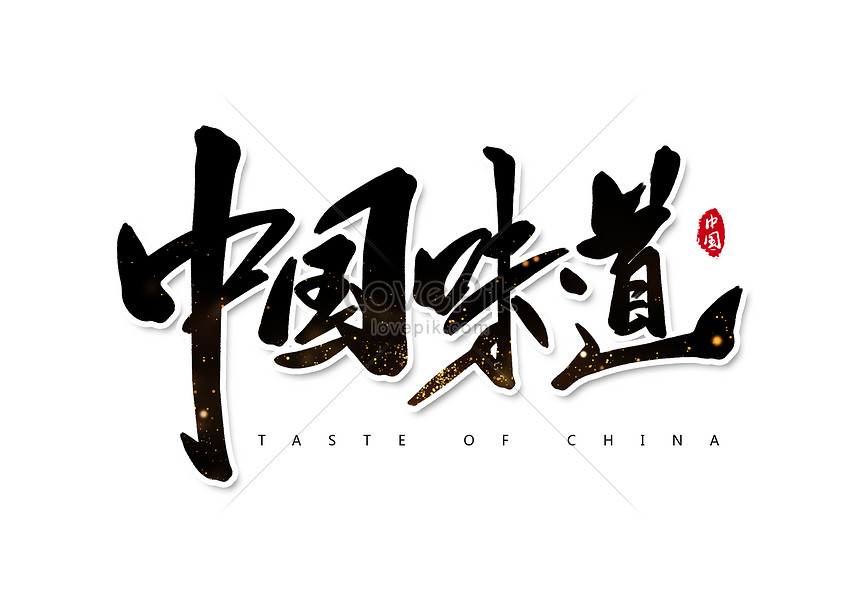
🉐 3. East Asian Calligraphy (China, Japan, Korea)
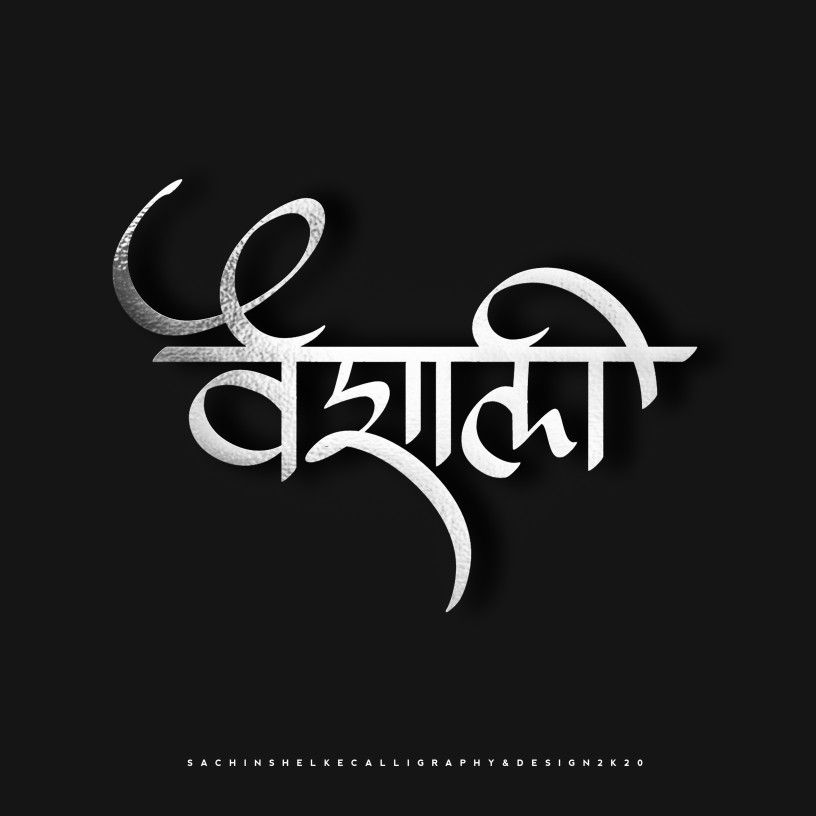
🪷 4. Indic Calligraphy (India & South Asia)
✒️ Types of Calligraphy
Here are some popular types of calligraphy styles across regions:
✧ Traditional Types
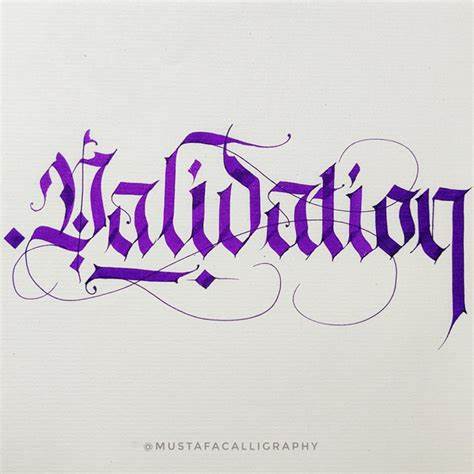
- Western: Gothic, Italic, Roman, Copperplate, Spencerian
- Arabic/Islamic: Kufic, Naskh, Diwani, Thuluth, Nastaliq
- East Asian: Regular, Cursive, Seal, Running (based on Chinese/Japanese/Korean characters)
✧ Modern Types
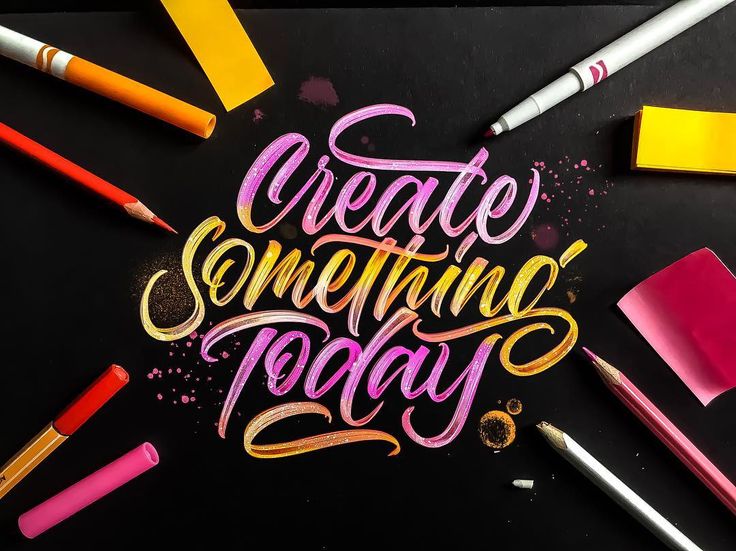
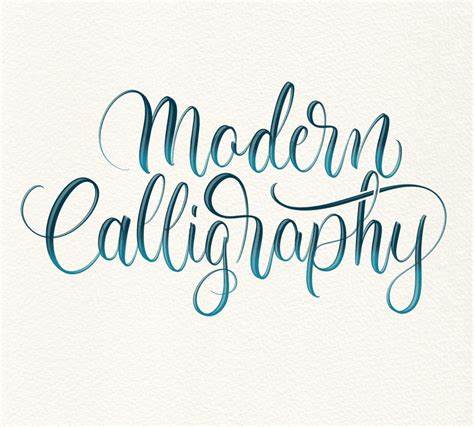
- Brush Calligraphy: A popular style using brush pens for a modern, casual feel.
- Faux Calligraphy: Mimics real calligraphy using normal pens.
- Digital Calligraphy: Created using graphic tablets or software like Procreate and Adobe Illustrator.
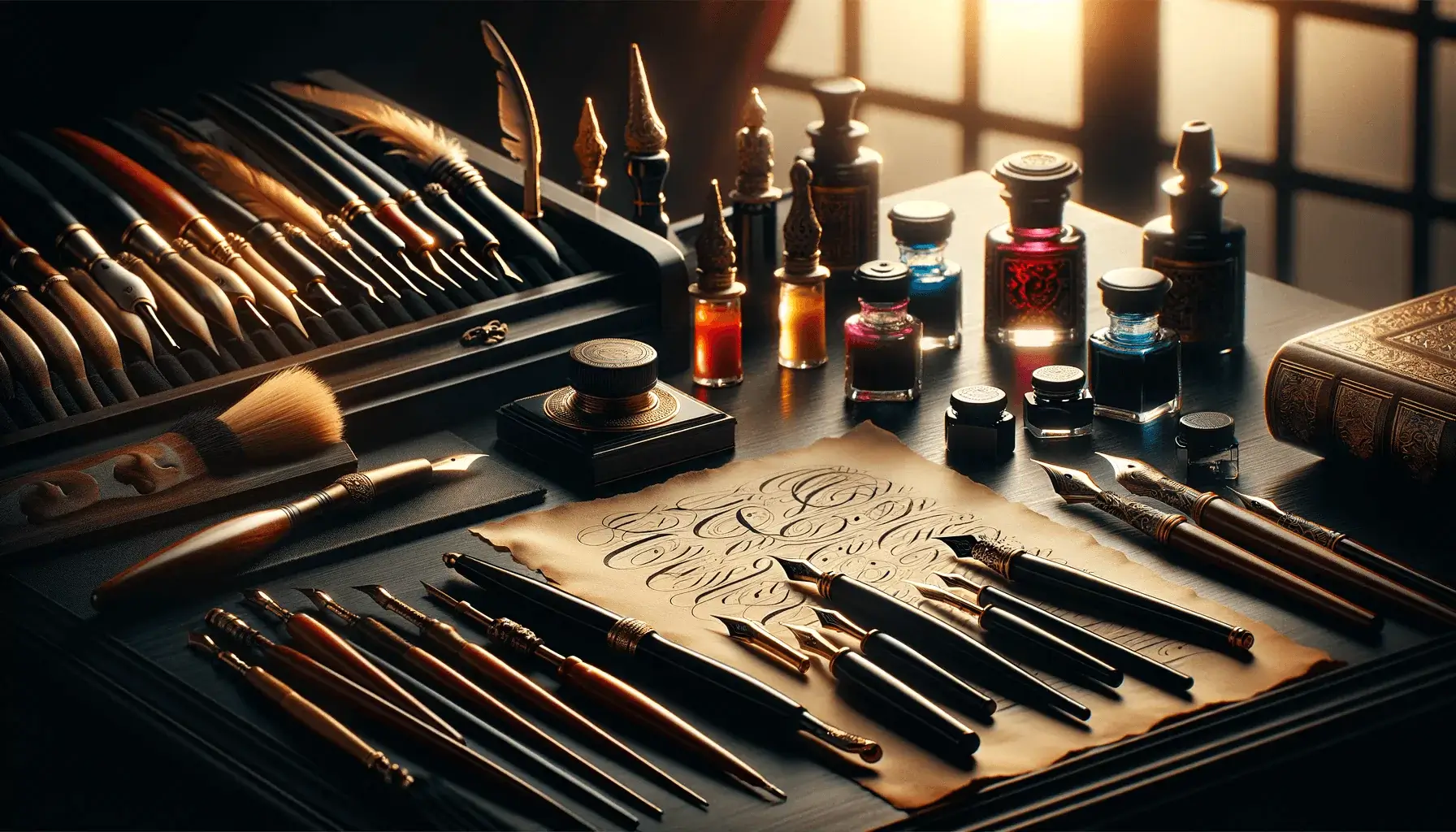
🛠️ Tools Used in Calligraphy
- Pens: Dip pens, fountain pens, brush pens, calligraphy markers
- Brushes: Traditional brushes (used in East Asian calligraphy)
- Ink: Bottled ink, sumi ink, or water-based ink
- Paper: Smooth, bleed-proof paper; parchment; rice paper
- Guidelines: Rulers, templates, grid sheets
🎨 Cultural Importance
Calligraphy is a sacred and cultural art practiced worldwide.
- In the Islamic world, calligraphy became the highest form of visual art due to religious restrictions on imagery.
- In East Asia, it is not only a writing form but a spiritual practice, valued as highly as painting or poetry.
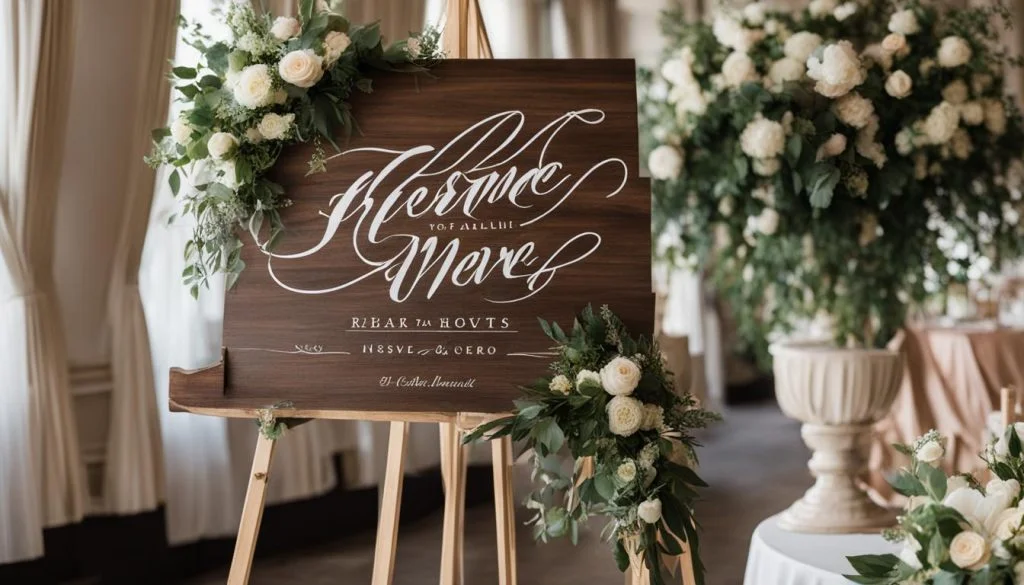
- In the West, it symbolized learning and artistry in manuscripts and now thrives in wedding invitations, branding, and design.
- In South Asia, calligraphy bridged linguistic and religious traditions — especially during the Mughal and Persian periods.
📈 Calligraphy Today
Modern calligraphy is a thriving global art that combines traditional methods with contemporary styles. It's used in:
- Weddings and events
- Branding and logos
- Social media content
- Tattoo designs
- Journaling and bullet journaling
- DIY and decor
Platforms like Instagram, Etsy, and Pinterest have helped bring calligraphy into everyday creative culture.